Humble Tea Leaf: How it all started!
My journey with tea began in New York, while working in media focused on cultural storytelling and international perspectives.
At the time, I was exposed to people and projects connected to traditional Asian culture, including Chinese music, philosophy, and the Japanese tea ceremony. One of those early experiences involved helping on a documentary segment exploring traditional arts and tea practices.
That work unexpectedly led me into a deeper curiosity: tea was not just a drink, but a cultural language.
Discovering Tea Culture in New York
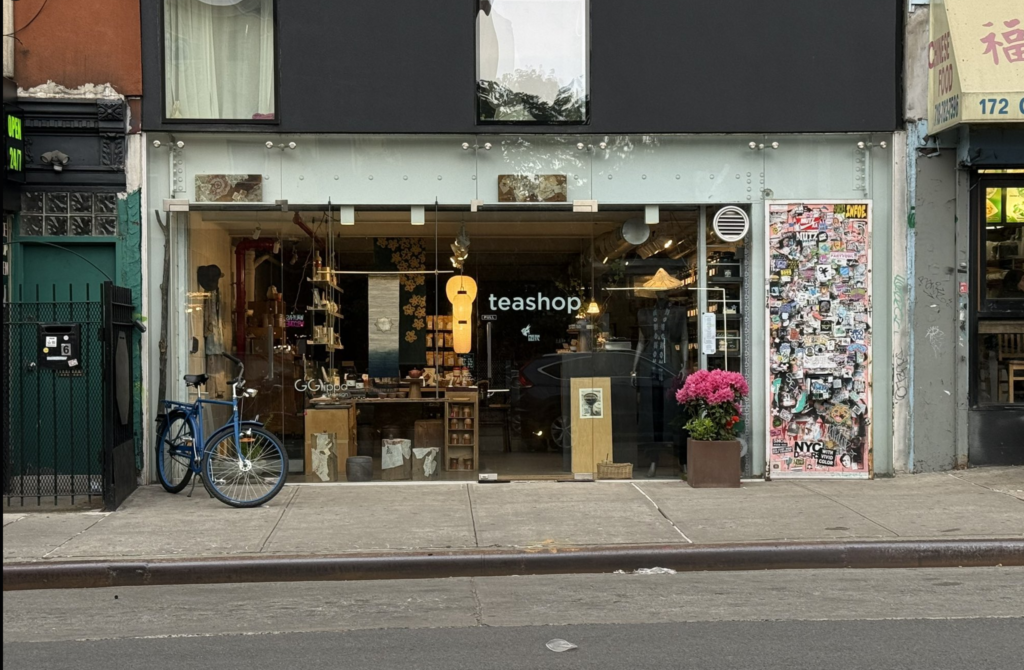
While researching tea-related locations and communities in New York City, I began noticing something interesting.
There were small but dedicated groups preserving traditional tea culture. Many came from Chinese or Japanese backgrounds, and practiced tea in a quiet, almost invisible way.
They were not always visible through modern marketing or commercial spaces. Yet their knowledge was deep, rooted in long traditions.
This contrast stayed with me.
In a city built on visibility and speed, tea culture often moved slowly, quietly, and with intention.
Traditional Chinese Tea Culture
My interest gradually expanded toward traditional Chinese tea culture.
This tradition is closely connected to broader philosophical systems such as Taoism, Confucianism, and Buddhist thought. It also includes practices such as tea preparation, seasonal awareness, and material culture around tea ware.
From my perspective, tea is one of the most accessible entry points into this world for people outside of it.
Even without speaking Mandarin or studying the philosophy deeply, tea itself carries traces of these traditions.
It becomes a form of cultural translation.
Japanese Tea Ceremony and Cross-Cultural Influence
Alongside Chinese tea traditions, I also encountered the Japanese tea ceremony.
While distinct in form and philosophy, it shares historical roots with earlier Chinese tea culture and evolved into its own refined practice in Japan.
Both traditions reflect discipline, presence, and attention to detail.
They also reflect how cultural practices travel, transform, and adapt across time and geography.
Why “Humble Tea Leaf”
The name “Humble Tea Leaf” reflects what I see as an essential quality in tea culture: humility.
Tea, in its traditional context, is not centered on spectacle or performance. It is often about attention, nature, and simplicity.
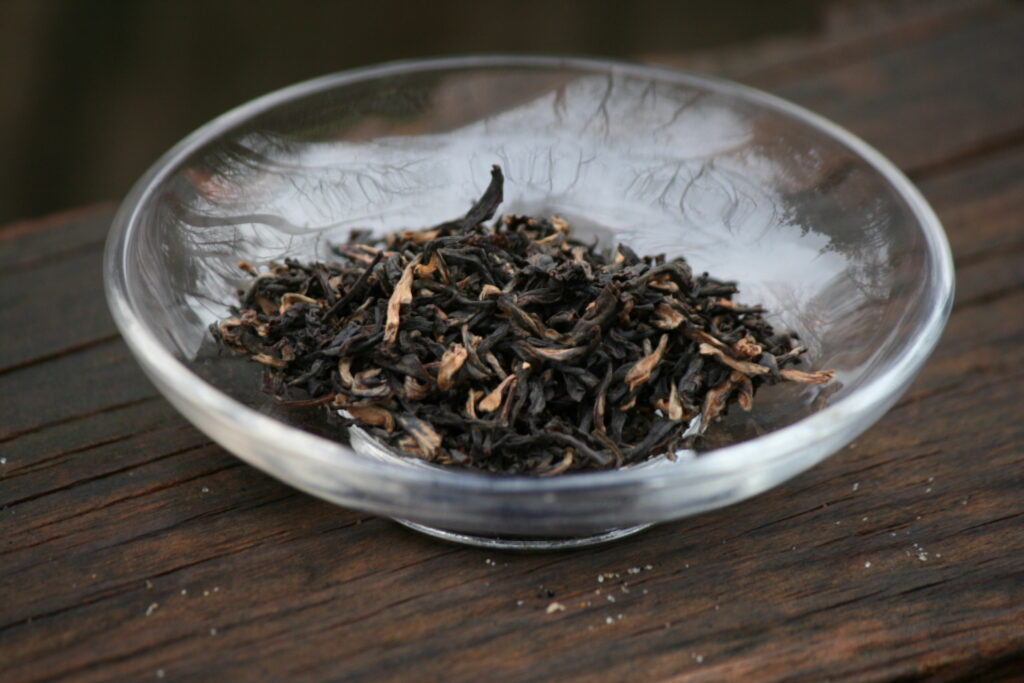
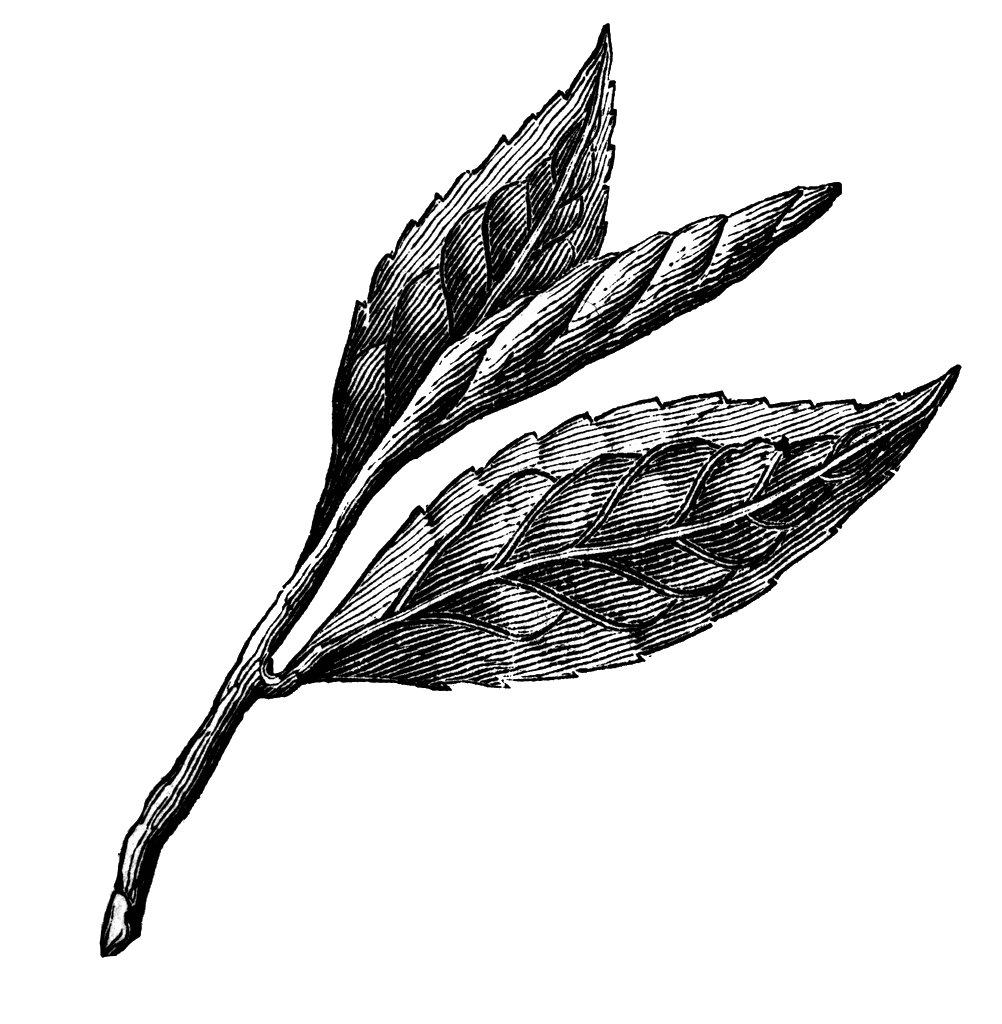
A single tea leaf can carry history, geography, and craftsmanship.
The word “humble” also reflects how much there is still to learn.
Even after years of exploration, tea remains something I approach as a student rather than an expert.
Tea Culture Today
In recent years, tea culture has also been growing in global cities like New York.
Tea tastings, specialty tea shops, and cultural events are becoming more common. At the same time, loose-leaf tea is gaining attention as people look for slower, more intentional experiences.
Tea, in this sense, sits between tradition and modern lifestyle.
It can be both a cultural practice and a daily ritual.
Closing Reflection
This blog is a place to explore tea, culture, and the stories behind them.
Not only as history, but as living practice.
If you have your own tea experiences—whether from travel, ceremony, or everyday life—I would be glad to hear them.
Tea, after all, is something best shared.