Fresh Mountain Air in a Cup
This post contains affiliate links. If you buy through them, I may earn a small commission at no extra cost to you. I only recommend things I genuinely use or love.
Imagine this: you open a bag of Taiwan high-mountain oolong. You inhale deeply. It smells like cool mist rolling through pine forests at 1,500 meters. Then you take a sip. You almost taste clean mountain air: bright, floral, and gently grassy.
This is one of my favorite teas. In this post, I explore its lesser-known history.
Part 1: The Hidden Story of Taiwan’s High-Mountain Oolong
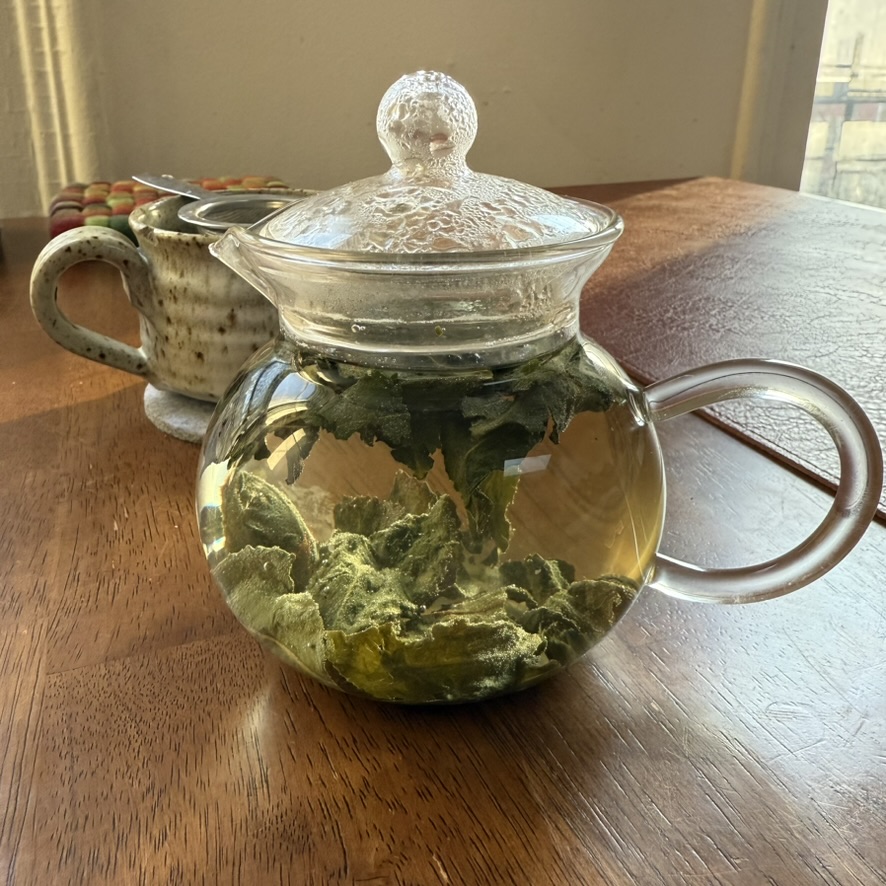
Imagine opening a bag of high-mountain oolong (gaoshancha). At first, the aroma feels fresh and cool. It reminds you of misty forests and high peaks. Then, as you sip, the taste feels light, floral, and smooth.
This “fresh mountain air in a cup” feeling explains its popularity. However, the story behind it may surprise you.
In fact, this light and green style is not ancient. Instead, it took shape in the 1980s. Market demand, changing tastes, and ideas about “nature” all played a role. As a result, the tea became very successful. At the same time, its range of flavors became more limited.
This series draws on research by Hong Jiang from the University of Hawaii at Manoa. Her work explores both modern Taiwan tea and Ming dynasty tea culture. What struck me most is this: her research still applies to the tea we drink today.
How “Mountain Taste” Became a Commodity
In the 1980s, Taiwan’s high-mountain oolong began to grow in popularity. At the same time, the government encouraged tea farming above 1,000 meters, especially in Alishan.
Because of the cooler climate and thinner air, the leaves develop differently. They become more tender, sweeter, and more fragrant. As a result, tea makers began using lighter oxidation, around 15–30%. This helped preserve the fresh aroma, known as qingxiang.
Consequently, the leaves stayed greener. The liquor appeared bright green-gold. Most importantly, the aroma clearly expressed a “mountain” character.
Soon, merchants started pricing tea by elevation. For example, Alishan tea (1,000–1,500 m) sold for around NT$2,000 per jin. Meanwhile, Li Mountain tea (above 2,000 m) could cost twice as much.
Consumers loved it. As demand grew, tea houses expanded. New rituals, like double-cupping, became popular. By the mid-2000s, high-mountain oolong made up nearly half of Taiwan’s tea production.
The Greening Trend And Its Hidden Cost
Over time, the “fresh mountain” style became even lighter. In particular, wholesalers pushed for shorter withering times. At the same time, competitions rewarded greener teas.
As a result, many high-mountain oolongs now sit closer to 15% oxidation. In the past, they were often closer to 25–30%.
So what changed?
The flavor became more uniform. Many teas now share a similar “green mountain” profile. Some drinkers notice grassy notes. Others even report slight stomach discomfort, especially in the evening.
At the same time, the withering stage became shorter. This step requires the most skill in oolong production. However, many producers now finish large batches quickly, often by midnight.
Still, not everyone follows this trend.
For example, Mr. Lee, an award-winning maker in Taihe village, continues a slower process. Because of this, his tea develops more depth. The liquor turns golden-yellow. The leaves show reddish edges. The aroma becomes fruity and layered.
In many ways, his tea reflects how high-mountain oolong tasted decades ago.
The Quiet Rebellion: Private Teas
Meanwhile, some tea makers chose a different path. In fact, about 20% of producers in the Alishan area still make small-batch private teas, known as ssuchiach’a.
They create these teas for themselves, friends, or a few select buyers.
More importantly, they experiment. They “play” with the tea.
For instance, Uncle Niu produces poetic teas with names like Imagination, Dreaming, and Space. Some are heavily oxidized. Others resemble white tea. In addition, some growers work with wild tea trees. They let the leaves guide their decisions.
I was lucky enough to taste one of these private batches from a friend’s family farm.
These teas do not follow market rules. Instead, they feel alive, varied, and deeply personal.
Want to Taste the Difference?
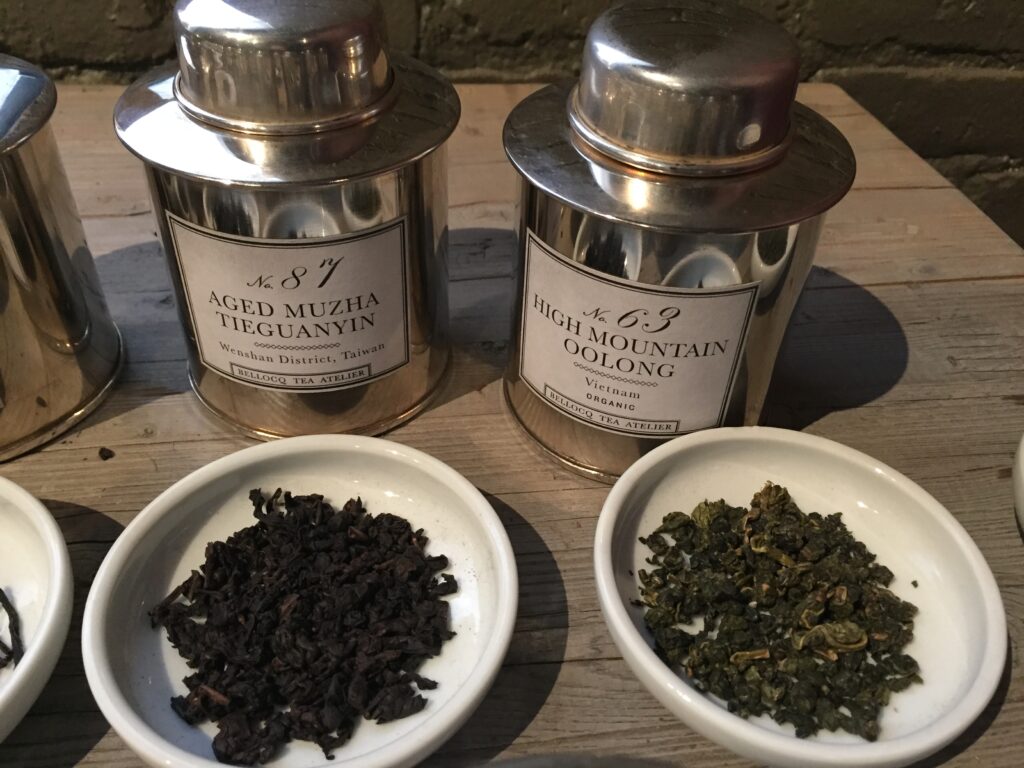
If you want to explore this style, start with a more traditionally oxidized high-mountain oolong. These teas avoid the overly green profile.
For example, you can look at Li Mountain Oolong or Graceful Hill from Té Company.
At home, I recommend using a gaiwan. It helps you compare aromas and clearly see the color of the liquor.
Coming Up in Part 2
Next, we will go deeper into private teas. We will explore the makers who quietly resist the market. We will also look at how they “listen” to the leaves.
Finally, we will ask an important question: could these small-batch teas shape the future of tea?
Would you like to try a private or wild-grown tea? Let me know what you usually look for in a high-mountain oolong.
Stay humble, steep mindfully.
Disclaimer: this article draws on research by Professor Jiang (University of Hawaii at Manoa), particularly her work on Taiwan high-mountain tea and Chinese tea culture. I interpret and connect these ideas through my own experience as a tea drinker.
Read next
- The ancient tea trees of Yunnan — where Chinese tea’s oldest living history still grows
- A cup of Pouchong — Taiwan’s lightest oolong, tasted
- Where to buy loose tea online — including the best source for Taiwanese oolong
New here? Start Here for the shortest path through the blog.