Tea News Digest – Global Tea Culture and Industry Stories
I collect tea-related stories from newsfeeds, articles, and research.
This is not a news cycle recap.
It is a curated view of how tea appears across culture, industry, design, health debates, and daily life.
Tea ranks among the most widely consumed beverages in the world.
It also connects economies, rituals, and everyday habits across China, India, Kenya, Sri Lanka, Japan, the United Kingdom, and the United States.
Each edition highlights stories that reflect this global landscape.
Tea Culture – Daily Rituals and Social Life
In India, tea shapes daily rhythm.
People drink chai in homes, street stalls, train platforms, and workplaces. These moments often create natural pauses in the day and open space for conversation.
Across regions, preparation styles differ. Some cups come from roadside vendors in glass tumblers. Others are brewed at home with more traditional methods.
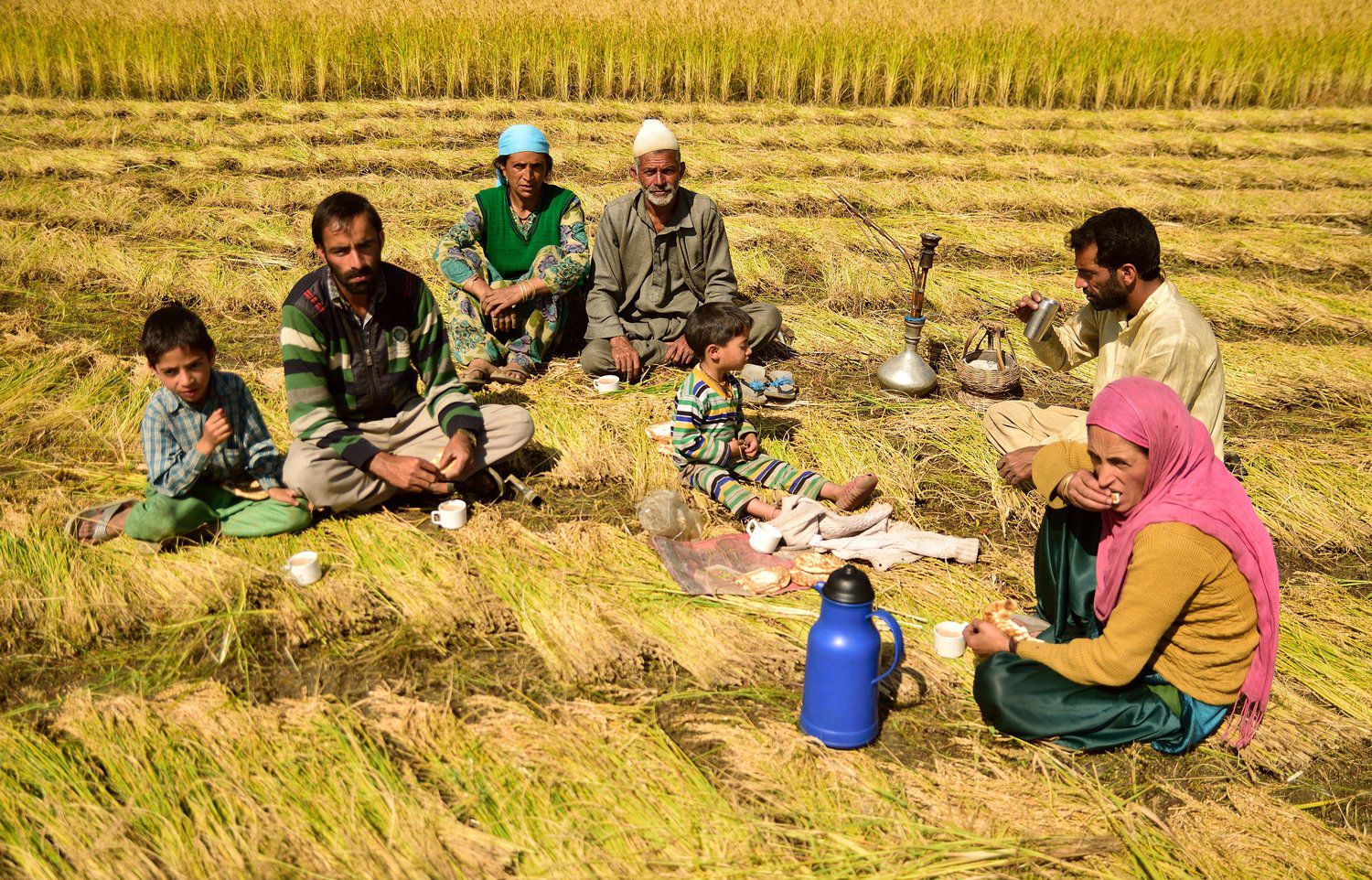
Kashmir shows another dimension of tea culture. There, tea is closely linked to hospitality and colder seasons. It often accompanies social gatherings and shared time indoors.
These examples show tea as lived practice, not just consumption.
Tea Industry – Global Consumption and Growth
The global tea market continues to expand, especially in lifestyle and wellness segments.
In the United States, consumption has shifted beyond traditional hot tea. Cold tea, ready-to-drink products, and specialty café offerings now play a larger role.
Industry reports consistently show strong engagement from younger consumers in urban areas. Tea increasingly competes with coffee as a daily beverage choice.
At production level, countries such as China, India, Kenya, and Sri Lanka remain central to global supply chains. Tea supports both agriculture and export economies in these regions.
Tea Design – Tradition Meets Modern Form
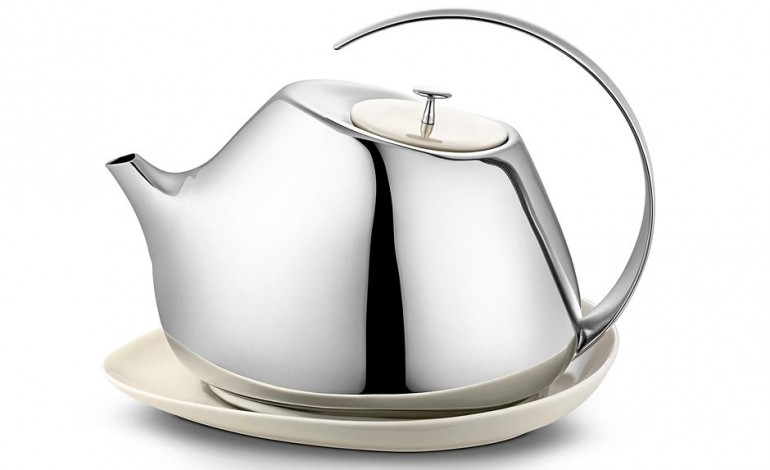
Tea culture also evolves through design.
Modern teaware often reinterprets traditional shapes using glass, ceramic, and minimalist aesthetics. Designers now treat teaware as both functional object and visual expression.
Traditional tools such as the gaiwan still remain in use. At the same time, contemporary teapots often prioritize form and presentation as much as brewing function.
This creates a clear tension between heritage and modern lifestyle design.
Tea and Health Narratives – Claims and Reality
Tea frequently appears in wellness discussions.
However, many health claims circulating in media and marketing lack scientific support.
For example, “anti-smog tea” has been widely questioned by medical experts. The digestive system processes food and drink, while airborne pollutants affect the respiratory system. These operate independently.
This case highlights a common pattern in wellness culture: environmental anxiety often drives exaggerated product claims.
Public Safety and Everyday Use
Tea also appears in everyday situations where safety matters.
Hot drinks are part of daily life, but they require attention in crowded or family environments.
Spill-related injuries, though uncommon, remind us that even ordinary routines carry physical risk in public spaces such as cafés.
These incidents reflect context rather than tea culture itself.
Closing Reflection
Tea is never just a beverage.
It moves across culture, trade, design, and public conversation at the same time.
Each collection of stories reveals another layer of how tea circulates through the world.